
India’s Test cricket record has come under scrutiny in recent times, with a noticeable dip in results—especially away from home and in high-pressure series. Once considered one of the most dominant Test teams in the world, India has faced setbacks that have raised uncomfortable questions among fans, former players, and experts.
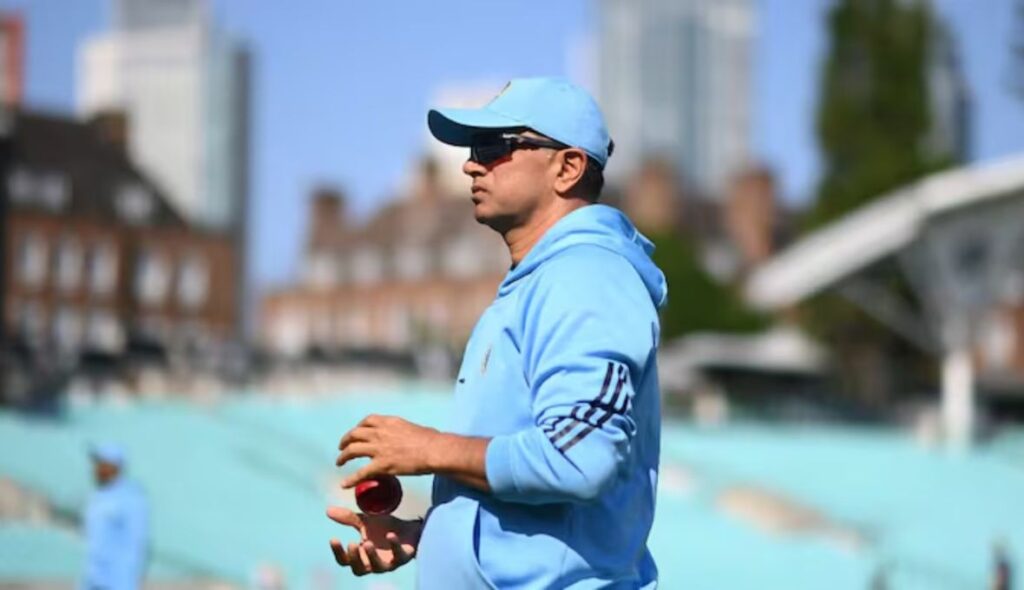
Amid this debate, former India head coach Rahul Dravid offered a calm, insightful explanation for India’s declining Test record. Known for his balanced thinking and deep understanding of the game, Dravid highlighted structural, tactical, and transitional challenges rather than pointing fingers at individual players.
This blog takes a deep, simple, and SEO-friendly look at India’s recent Test struggles, Rahul Dravid’s explanation, and what the future holds for Indian Test cricket.
India’s Test Cricket Legacy: A High Benchmark
India’s Test team set incredibly high standards over the last decade. Between 2015 and 2022, India:
- Won multiple home Test series convincingly
- Became one of the best touring sides
- Reached the World Test Championship finals
- Defeated strong teams in tough conditions
Under leaders like Virat Kohli, India built a reputation for fast bowling strength, aggressive batting, and mental toughness.
Because expectations were so high, even a slight dip in results feels significant.
The Recent Dip: What Has Changed?
India’s Test record has dipped due to:
- Inconsistent batting performances
- Struggles in overseas conditions
- Injuries to key players
- Lack of settled combinations
While India still remains competitive, the aura of dominance has faded slightly—especially in challenging away series.
Rahul Dravid’s Perspective: No Panic, Just Perspective
Rahul Dravid, speaking as former head coach, urged patience and realism. According to him, India’s dip in Test results is not due to a single failure, but rather a combination of factors.
Dravid’s Core Message
Dravid emphasized:
- Test cricket is cyclical
- Transitions affect performance
- Overseas success is extremely difficult
- Young players need time
His explanation focused on process over panic.
Transition Phase: The Biggest Reason
One of the most important reasons Rahul Dravid cited is transition.
Senior Players Moving On
India has gradually moved away from a core group that defined its success:
- Cheteshwar Pujara
- Ajinkya Rahane
- Ishant Sharma
- Umesh Yadav
These players brought:
- Experience
- Stability
- Match awareness
Replacing such experience is never easy.
Young Batters Still Learning Test Cricket
Dravid pointed out that several young batters are still learning the demands of Test cricket.
Why Test Cricket Is Different
Test cricket demands:
- Patience over flair
- Adaptability across conditions
- Mental endurance
Young players often succeed in white-ball cricket quickly, but Tests require years of refinement.
India’s new batters are talented, but experience cannot be rushed.
Overseas Conditions: India’s Biggest Challenge
One of the clearest areas of decline has been India’s away Test record.
Dravid’s Explanation
According to Dravid:
- SENA conditions (South Africa, England, New Zealand, Australia) are unforgiving
- Even strong teams struggle consistently overseas
- Small mistakes are punished heavily
India’s recent batting collapses overseas are not unique—they reflect the difficulty of touring conditions.
Batting Fragility: A Key Concern
Dravid acknowledged that batting inconsistency has hurt India’s Test results.
Key Issues in Batting
- Frequent top-order collapses
- Over-reliance on a few senior players
- Difficulty handling swing and seam
Dravid stressed that these issues require technical adjustments and patience, not drastic overhauls.
Bowling Still a Strength, But Needs Support
India’s bowling attack remains strong, especially with:
- Jasprit Bumrah
- Mohammed Shami
- Mohammed Siraj
However, Dravid noted that bowlers often lack support due to:
- Low first-innings totals
- Excessive workloads
- Long spells without rest
Even world-class bowling attacks struggle when batting fails repeatedly.
Injuries and Player Workload
Another major factor highlighted by Dravid is injuries.
Impact of Packed Schedules
Modern cricket schedules are brutal:
- Tests
- ODIs
- T20Is
- IPL
Managing player fitness across formats is extremely difficult.
Dravid explained that injuries disrupt:
- Team combinations
- Momentum
- Planning
A constantly changing XI makes consistency harder.
Captaincy Transition and Leadership Adjustment
Leadership changes also affect Test teams.
Moving Beyond Kohli Era
Virat Kohli’s leadership style was:
- Aggressive
- Emotion-driven
- Intense
While the current leadership approach is calmer and more balanced, adapting to a new style takes time.
Dravid emphasized that leadership transitions often result in temporary performance dips.
The World Test Championship Pressure
Another factor is the World Test Championship (WTC) cycle.
Why WTC Adds Pressure
- Every Test result matters
- Away series losses carry heavy points penalties
- Squad rotation becomes risky
Dravid noted that WTC pressure sometimes forces teams to:
- Rush selections
- Play under constant scrutiny
This pressure can affect decision-making.
Rahul Dravid’s Coaching Philosophy: Process Over Results
Throughout his tenure, Dravid focused on:
- Building depth
- Developing players
- Long-term sustainability
He believes Test success cannot be forced instantly.
Dravid’s Key Belief
“You don’t build a Test team overnight.”
This philosophy explains why he urged patience during tough phases.
Comparison With Other Top Test Teams
Dravid also pointed out that every top team goes through dips.
Examples
- Australia struggled after the sandpaper scandal
- England went through rebuilding phases
- South Africa declined after senior retirements
India’s dip is not unique—it’s part of a natural cycle.
Fan Expectations vs Reality
Indian fans expect:
- Series wins everywhere
- Dominance across formats
- Immediate results
Dravid cautioned that such expectations can be unrealistic in Test cricket, where conditions, experience, and patience play massive roles.
Selection Debates and Public Pressure
Another issue is constant selection debate.
Why This Matters
- Players feel insecure
- Confidence takes a hit
- Long-term planning suffers
Dravid believes players need extended runs, not constant chopping and changing.
Is Domestic Cricket to Blame?
Some critics argue domestic cricket is not preparing batters for Test challenges.
Dravid’s Balanced View
He acknowledged:
- Domestic cricket is competitive
- But exposure to overseas conditions is limited
Hence, adjustment periods at international level are inevitable.
The Road Ahead for Indian Test Cricket
Despite current struggles, Dravid remains optimistic.
Reasons for Optimism
- Strong fast-bowling pipeline
- Talented young batters
- Improved fitness culture
- Better support systems
India’s foundation remains solid.
What Needs to Improve Going Forward
According to Dravid’s thinking, India must:
- Back young batters longer
- Improve overseas preparation
- Manage workloads better
- Maintain stability in selection
None of these are quick fixes—but they work over time.
Lessons From Rahul Dravid’s Explanation
Dravid’s explanation teaches important lessons:
- Test cricket is unforgiving
- Transitions are unavoidable
- Patience beats panic
- Experience cannot be replaced instantly
These insights reflect his calm, long-term vision.
Simple FAQs (Yoast SEO Friendly)
Why is India’s Test record declining?
According to Rahul Dravid, it is due to transition, injuries, overseas challenges, and batting inconsistency.
Did Rahul Dravid blame players?
No. He focused on structural issues and natural cycles, not individual failures.
Is India’s Test team in trouble?
Not permanently. Dravid believes the dip is temporary and part of a rebuilding phase.
What is India’s biggest Test challenge?
Consistency in batting, especially in overseas conditions.
Why Rahul Dravid’s View Matters
Dravid is respected for:
- Technical knowledge
- Calm leadership
- Long-term thinking
His explanation avoids sensationalism and encourages understanding rather than criticism.
Final Thoughts: No Crisis, Just a Phase
India’s Test record may be dipping, but according to Rahul Dravid, this is not a crisis—it is a phase.
Test cricket is the hardest format, and even great teams struggle during transitions. India still has the talent, resources, and mindset to bounce back stronger.
The key, as Dravid suggests, is patience.
Conclusion
India’s recent dip in Test cricket results has sparked debate, but former head coach Rahul Dravid’s explanation offers clarity and calm. He reminds fans and experts alike that success in Test cricket is built over time, not demanded overnight.
With young players learning, senior players transitioning, and conditions testing skills, setbacks are inevitable. What matters is how India responds—not with panic, but with trust in process.
If Dravid’s philosophy is followed, India’s Test record may not just recover—it could emerge stronger than before.